

Implant dentistry has emerged as a revolutionary solution for individuals seeking to restore their smiles and improve their quality of life following tooth loss. This advanced field utilizes dental implants—small titanium posts surgically placed into the jawbone—to serve as sturdy foundations for various replacement teeth, such as crowns, bridges, or dentures. The integration of state-of-the-art technology in this field not only enhances aesthetic outcomes but also promotes better oral health, allowing patients to enjoy functionality and confidence in their dental restorations.
As the demand for effective dental solutions rises, implant dentistry continues to evolve, drawing interest from both practitioners and patients alike. With innovations that enhance the precision of placement and expedite recovery times, more individuals are discovering the benefits of this treatment option. In this article, we will explore the various types of dental implants, the procedure involved, and the long-term advantages of choosing implants over traditional dentures or bridges. Join us as we delve into the world of implant dentistry and uncover how it can transform smiles and lives.
Types of Dental Implants
Dental implants can be broadly categorized into two main types: endosteal and subperiosteal implants. Endosteal implants are the most commonly used type, consisting of small titanium screws surgically inserted directly into the jawbone. These implants can securely hold a range of dental prosthetics, including single crowns, bridges, and dentures. On the other hand, subperiosteal implants are placed under the gum but above the jawbone, making them a suitable option for patients with insufficient bone density. The choice between these types ultimately depends on individual patient needs and the recommendation of the dental professional. For those seeking to align their teeth prior to implant placement, Invisalign San Antonio offers a discreet way to achieve optimal dental positioning.
The Implant Procedure
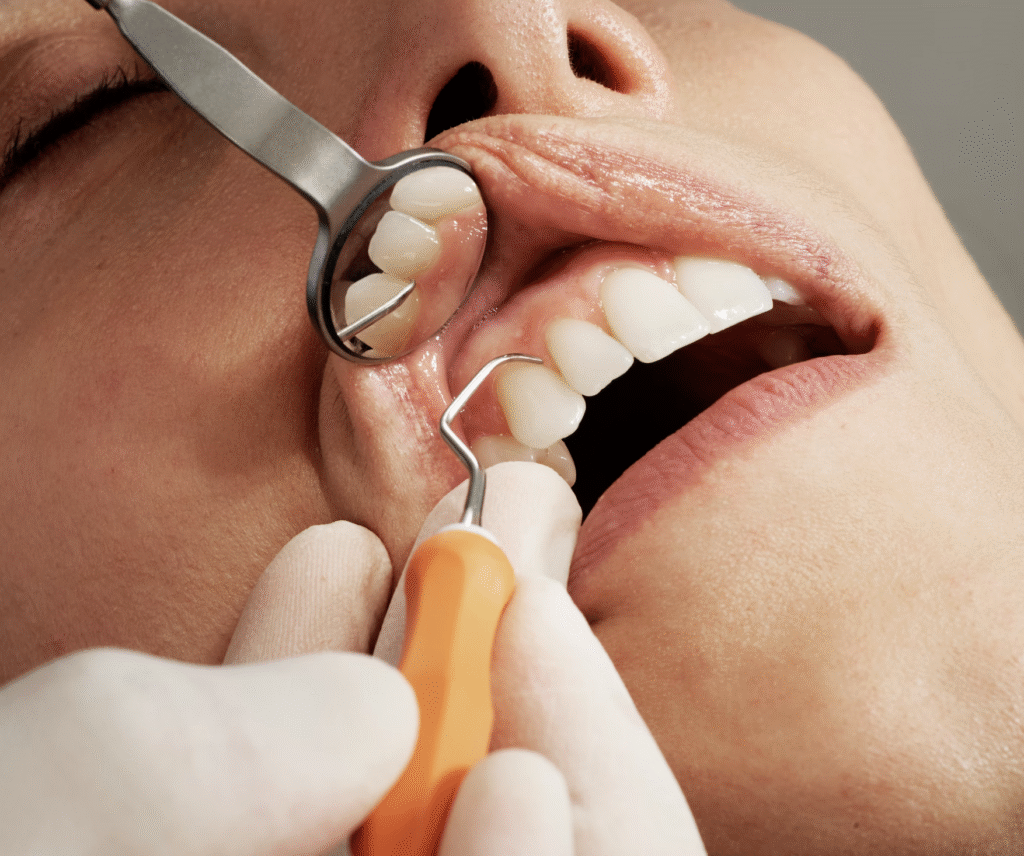
The implant procedure typically unfolds in several stages, beginning with a comprehensive assessment of the patient’s dental and medical history, followed by imaging studies to evaluate jawbone health. Once deemed a suitable candidate, the patient undergoes the surgical placement of the implant, allowing weeks or months for osseointegration—the process where the implant fuses with the jawbone. After the healing period, the next stage involves attaching an abutment, which will support the prosthetic tooth. Finally, a custom-made crown is secured to the abutment, completing the restoration. This structured approach not only ensures that the implant functions effectively but also contributes to a natural appearance in the final result.
In conclusion, implant dentistry stands at the forefront of modern restorative dentistry, offering a remarkable solution for those seeking to regain their smile and improve their overall well-being following tooth loss. By providing a durable and aesthetically pleasing alternative to traditional dentures and bridges, dental implants empower individuals to eat, speak, and smile with renewed confidence. The advancements in technology and techniques associated with implant procedures not only optimize patient outcomes but also enhance the long-term success of these restorations. As the field continues to grow and adapt, more patients are likely to benefit from the transformative power of dental implants, ultimately leading to a better quality of life and a brighter future for countless individuals.


